Activities

Tirig
Tourist Info Tirig
Avenida Gabriel Puig Roda 34
Teléfono 666 110 998
web: www.tirig.es
email: tirig@touristinfo.net
Discover Tírig: millenary history, nature and authentic traditions
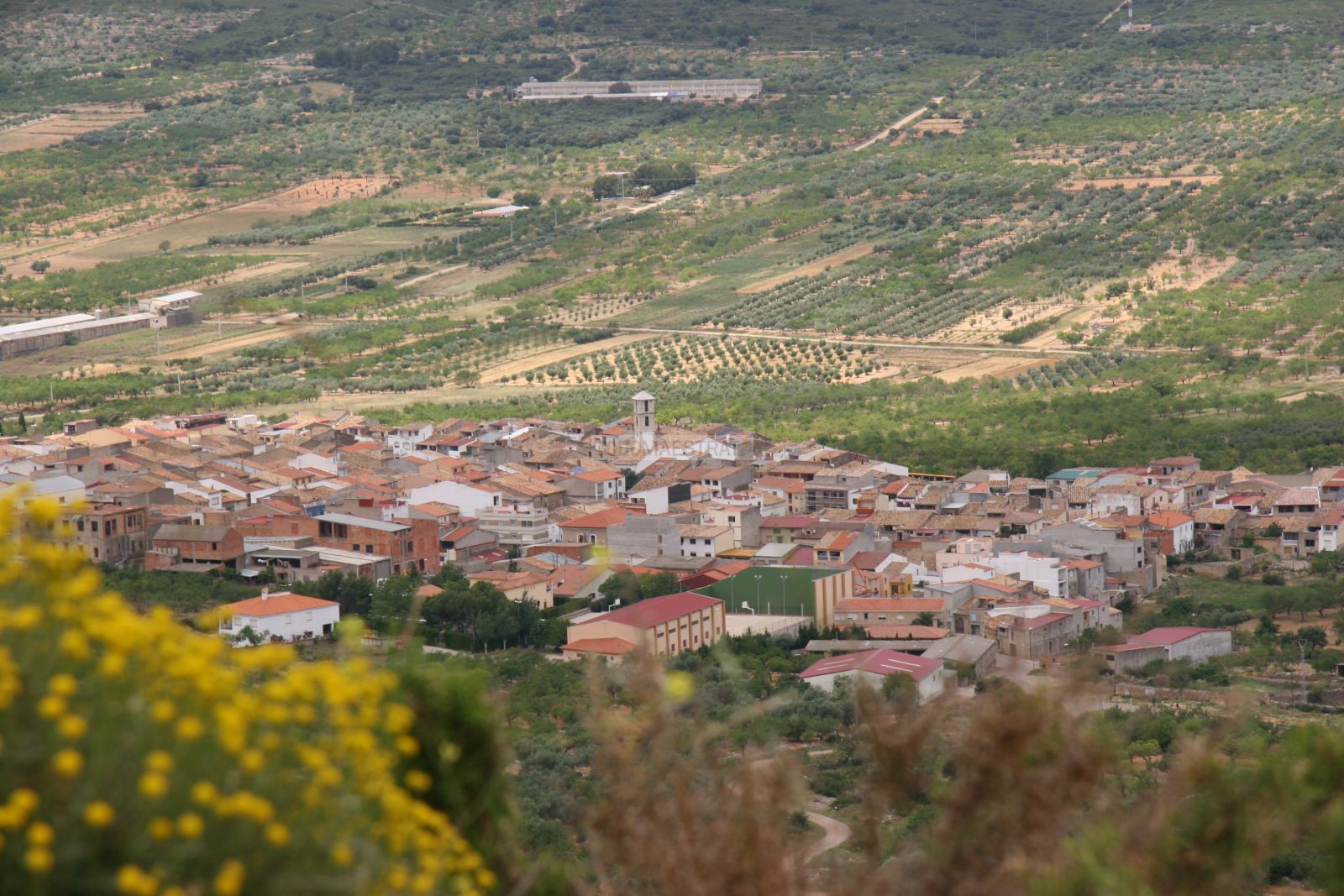
Located inland in the province of Castellón, just over 40 kilometres from the coast and from Peñíscola, Tírig is one of those destinations that surprises visitors with the richness of its heritage and the authenticity of its surroundings. This small town in the Maestrat region combines interior Mediterranean landscapes, prehistoric remains of universal value, traditional architecture and a slow pace of life that invites visitors to enjoy every moment. Tírig is an ideal destination for cultural tourism, nature lovers, hiking enthusiasts and those seeking living traditions far from the crowds.
A unique setting in the Maestrat region
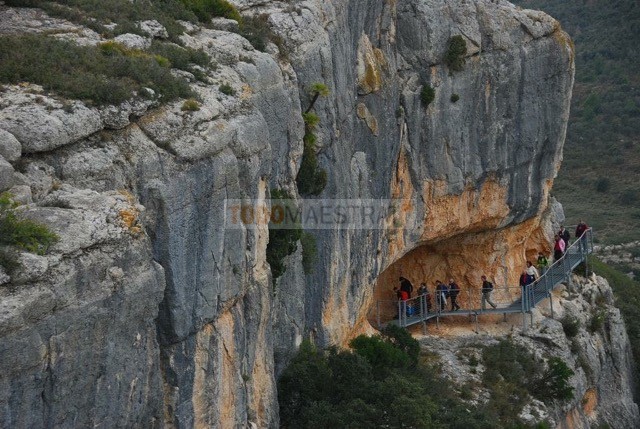
The municipality of Tírig stretches across gentle hills, ravines and dry-farmed fields where almond trees, olive groves and holm oaks dominate the landscape. Shaped over centuries by human activity, this scenery retains a sober and authentic beauty. Walking along its rural paths means entering a land where the relationship between people and nature is still visible in every stone wall, trail and traditional construction.
Its proximity to the coast makes it easy to combine an inland stay with visits to the Mediterranean shoreline, making Tírig an excellent base from which to explore the northern part of the province of Castellón.
The Valltorta Ravine rock art: World Heritage Site
One of Tírig’s greatest treasures is undoubtedly its extraordinary prehistoric legacy. Part of the Valltorta Ravine, located within the Valltorta-Gasulla Cultural Park, lies within its municipal boundaries. This area is one of the most important rock art sites in Europe.
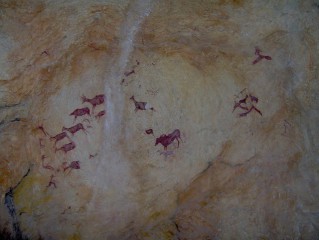
The Levantine and schematic rock paintings found in the many rock shelters of the ravine were declared a UNESCO World Heritage Site in 1998, as part of the Rock Art of the Mediterranean Basin on the Iberian Peninsula. Some of these representations are over 7,000 years old and depict hunting scenes, stylised human figures, animals and symbolic motifs that provide insight into the lives and beliefs of the area’s earliest inhabitants.
Visiting these shelters is a true journey back in time, an emotional experience that connects visitors with the origins of humanity in a natural setting of outstanding beauty.
The Valltorta Museum: gateway to prehistoric art
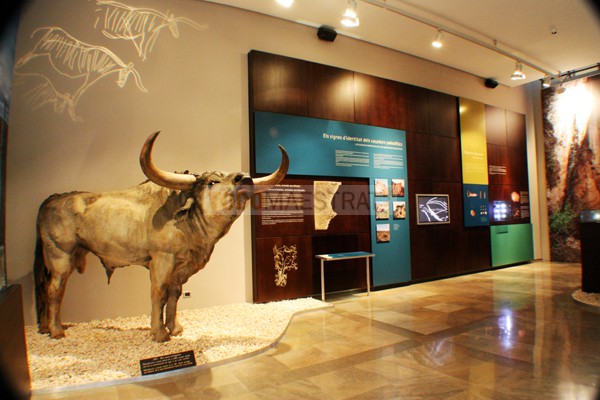
Opened in 1994, the Valltorta Museum is the main reference centre for understanding the importance of the region’s rock art. Through an informative and accessible tour, the museum explains the evolution of prehistoric art, the techniques used, the historical context and the meaning of the paintings.
The museum also serves as the starting point for guided tours to the protected and restored rock art sites. These visits are led by specialised guides and are essential for discovering this heritage responsibly, ensuring its conservation while offering visitors an enriching and respectful experience.
The Puig Roda Museum: art and local memory
Since 2014, Tírig has been home to the Puig Roda Museum, a cultural space dedicated to the local painter Gabriel Puig Roda (1865–1919). Born in Tírig, the artist stood out for his academic training and international projection after studying at the San Fernando School of Fine Arts in Madrid and later in Rome thanks to various scholarships.
His travels to cities such as Pisa, Genoa, Milan and Bologna had a strong influence on his work, particularly his landscapes and costumbrist scenes. The museum displays a carefully selected collection of original paintings and replicas that allow visitors to appreciate Puig Roda’s artistic sensitivity and his strong link to his hometown. It is a highly recommended visit for art lovers and those interested in local history.
Dry-stone architecture: a living cultural landscape
One of Tírig’s most distinctive heritage features is its impressive collection of dry-stone constructions, recognised as Intangible Cultural Heritage of Humanity by UNESCO. Throughout the municipality, visitors can find walls, livestock troughs, drovers’ paths, wells, cisterns and ovens, all bearing witness to the ingenuity and adaptation to the environment of past generations.
Particularly noteworthy are the barracas, also known as shepherds’ huts, of which around 1,400 have been catalogued. Built without mortar, these structures blend seamlessly into the landscape and represent a functional and sustainable form of architecture. Many of them can be found along the hiking routes, turning each walk into both a cultural and natural experience.
Hiking and cycling in the heart of nature
Tírig is an ideal destination for outdoor sports and nature lovers. The municipality offers a network of signposted routes of varying distances and difficulty levels, suitable for both hiking and mountain biking. These routes pass through ravines, cultivated fields, wooded areas and scenic viewpoints overlooking the Maestrat region.
The trails allow visitors to discover the area’s natural and ethnographic heritage first-hand, passing dry-stone huts, ancient livestock paths and places of great scenic value. The tranquillity of the surroundings makes Tírig a perfect place to disconnect and enjoy the outdoors.
Monumental and religious heritage
The town centre of Tírig preserves several monuments of historical interest. At its heart stands the Parish Church of Our Lady of the Pillar, built in the late 17th century. Its bell tower features a unique sundial decorated with zodiac signs, an unusual element that attracts both visitors and scholars.
Another noteworthy building is the Hermitage of Santa Bárbara, also dating from the 17th century, set in a natural environment ideal for contemplation and relaxation. Outside the urban area are the Pozo de la Vila, built by French troops in the early 19th century, and the Pozo de la Cadena, both examples of traditional water supply infrastructure.
Festivals and traditions throughout the year
Tírig’s cultural life is shaped by a festive calendar that keeps local traditions alive. In July, the town celebrates its patron saint festivities in honour of Sant Jaume, with religious events, music, popular celebrations and activities for all ages.
In December, the pilgrimage to Santa Bárbara takes place, one of the town’s most deeply rooted traditions, while in January the feast of Saint Anthony is celebrated with bonfires and traditional rituals. Particularly noteworthy are the Quintos festivities during Holy Week, a unique celebration that preserves customs found only in Tírig and represents one of its strongest cultural identities.
Gastronomy: flavours of the land
Tírig’s gastronomy is simple, hearty and closely linked to local products. Among its most representative dishes are llanda al forn and olla de cigrons i cardets, traditional recipes that reflect inland cuisine and the use of seasonal ingredients.
In terms of sweets, traditional baking offers true delights such as coquetes and coca de miel, prepared following recipes passed down from generation to generation. Tasting the local cuisine is yet another way to understand the town’s identity and character.
A destination to discover at a leisurely pace
Tírig is much more than a small inland village: it is a first-class cultural destination and a paradise for lovers of history, nature and authentic traditions. Its combination of rock art, museums, traditional architecture, outdoor routes, popular festivals and gastronomy makes every visit a rich and rewarding experience.
Ideal for cultural getaways, rural tourism or as a complement to a coastal holiday, Tírig invites visitors to discover the past, enjoy the present and connect with a way of life deeply rooted in the land. A place where every stone, every path and every celebration tells a millenary story that is still alive today.





HOW TO GET TO PEÑÍSCOLA BY CAR
Para llegar a Tirig desde Peñíscola hay que coger la N-340 en dirección a Castellón y desviarse en Alcala de Xivert a la derecha para coger la CV-133 hasta llegar a Les Coves de Vinromà. A continuación hay que coger la CV-10 en dirección Salsadella y desviarse por la CV-131 hasta llegar a Tirig.
MORE ACTIVITIES






Prepara tu visita a Peñiscola y ven a vivir una experiencia de cine única. Peñíscola, con un patrimonio natural y arquitectónico singular, es una ciudad de excepción para todo tipo de acciones audiovisuales. Su ubicación estratégica, la ha convertido en escenario privilegiado para producciones tanto televisivas como cinematográficas. Desde principios del siglo XX, en 1913, con el rodaje de Ana Cadova, comienza la conexión entre el séptimo arte y nuestra ciudad. Peñíscola de Cine, aúna los enclaves más representativos de la ciudad plató.