Activities


The Ebro Delta
Av. Sant Jaume, 1, 43870, Tarragona
977 70 34 53
The Ebro Delta: a living territory between river and sea
The Ebro Delta is one of the most unique and valuable natural areas in the western Mediterranean. Located at the mouth of the Ebro River, in the province of Tarragona (Catalonia), this vast territory is the second largest delta in the Mediterranean, surpassed only by the Nile Delta. Covering an area of approximately 320 km², the Ebro Delta is a landscape shaped over thousands of years by the constant action of the river, the sea and the wind, representing a delicate balance between natural processes and human activity.
This area stands out for its extraordinary ecological richness, biodiversity, wide open landscapes and a culture deeply linked to water, rice cultivation and fishing. At the same time, the delta is a fragile territory exposed to major environmental threats that endanger its future. To understand the Ebro Delta is to understand the relationship between nature and society, tradition and change, conservation and development.
Formation and evolution of the delta
The Ebro Delta is the result of a long geological process that began thousands of years ago. The Ebro River, the largest river by flow in the Iberian Peninsula, has carried vast amounts of sediment from its basin to the Mediterranean Sea. These materials, deposited at the river mouth, gradually gained land from the sea and shaped the delta.
The current morphology of the delta is relatively recent in geological terms. Its configuration has changed significantly over time due to variations in river flow, marine storms, floods and human intervention. Over the last century, the construction of reservoirs upstream has drastically reduced sediment supply, altering the natural balance of the delta and accelerating coastal regression.
Today, the Ebro Delta has a distinctive triangular shape, bordered by two major bays — Fangar Bay to the north and Alfacs Bay to the south — which play a key role in the ecological and economic dynamics of the area.
A mosaic of unique landscapes
One of the greatest assets of the Ebro Delta is the diversity of landscapes concentrated within a relatively small area. Despite its apparent uniformity, the delta is a true mosaic of ecosystems.
Rice fields
Rice fields cover approximately two thirds of the delta’s surface and form its most iconic landscape. These flooded plains change dramatically throughout the year: water-covered fields in spring, intense green in summer, and golden hues after the harvest in autumn. Beyond their agricultural and cultural value, rice fields function as artificial wetlands of great importance for many aquatic bird species.
Lagoons and wetlands
The delta contains numerous coastal lagoons of high ecological value, such as Encanyissada, Tancada, Canal Vell and Clot. These wetlands act as biodiversity sanctuaries and perform essential functions such as water regulation, natural filtration and wildlife refuge.
Beaches and dunes
The beaches of the Ebro Delta are long, straight and largely undeveloped. Dune systems such as those at Trabucador and Punta de la Banya protect the interior of the delta from direct marine action. These environments are extremely fragile and highly sensitive to erosion and sea-level rise.
Bays and marine areas
Fangar Bay and Alfacs Bay are highly productive marine environments. Their calm, shallow waters support the development of fish, molluscs and seabirds, and host important mussel and oyster farms.
Biodiversity: a haven for wildlife
The Ebro Delta is one of the most important wetlands in Europe from an ecological perspective. Its strategic location along migratory routes between Europe and Africa makes it a key stopover site for thousands of birds.
More than 350 bird species have been recorded in the delta, including resident, migratory and wintering species. Flamingos, herons, egrets, avocets, stilts, terns and birds of prey inhabit the area throughout the year. The greater flamingo has become one of the delta’s most iconic species, with stable breeding colonies established since the late 20th century.
The delta’s waters host a wide variety of fish, crustaceans and molluscs, including eels, seabass, gilthead bream and shrimp. On land, reptiles, amphibians and small mammals find refuge among reed beds, lagoons and agricultural margins.
Human presence and traditional activities
Human settlement in the Ebro Delta is relatively recent. For centuries, the delta was an inhospitable, flood-prone area affected by diseases such as malaria. Large-scale drainage and canalisation works carried out between the 18th and 19th centuries enabled permanent settlement and agricultural development.
Rice cultivation became the economic and social backbone of the delta. Water management, agricultural calendars and daily life revolve around this crop. Today, Ebro Delta rice is a recognised quality product with a protected designation of origin.
Fishing and aquaculture have also played a crucial role. Traditional fishing techniques and shellfish farming in the bays have shaped a way of life passed down through generations.
Culture, traditions and gastronomy
The delta has a strong cultural identity shaped by its environment. Traditional huts known as barracas, built from reeds, mud and wood, are iconic elements of the landscape. Festivals, music and agricultural celebrations reflect the deep connection between people and nature.
Local gastronomy is another highlight. Rice-based dishes, seafood and fish define the cuisine: black rice, rice with duck, rossejat noodles, eel dishes, mussels and oysters are all expressions of the delta’s natural wealth.
Protection and conservation
The Ebro Delta has multiple protection designations. It was declared a Natural Park in 1983 and later included in the Natura 2000 network, designated as a Special Protection Area for Birds (SPA) and recognised as a Ramsar Wetland of International Importance.
Threats and future challenges
The delta faces serious environmental challenges: reduced sediment supply, land subsidence, coastal erosion and sea-level rise linked to climate change. Soil salinisation, biodiversity loss and water management pressures further threaten its sustainability.
The future of the Ebro Delta depends on integrated solutions involving river basin management, sediment restoration, climate adaptation and strong local involvement.
Sustainable tourism
Nature tourism has become increasingly important. Birdwatching, cycling, kayaking and guided tours allow visitors to discover the delta responsibly. Education and awareness are essential to ensure conservation-compatible tourism.
Conclusion
The Ebro Delta is much more than a landscape: it is a living, fragile and dynamic territory where nature and culture coexist. Preserving it is both an environmental and social responsibility, ensuring that future generations can continue to enjoy this extraordinary natural heritage.
HOW TO GET TO PEÑÍSCOLA BY CAR
Desde Peñíscola se puede llegar al Delta del Ebro por la autopista AP-7 cogiendo la salida 41 o por la carretera nacional 340 saliendo en el km 1080
MORE ACTIVITIES


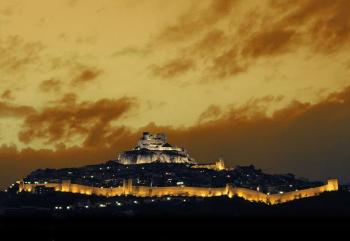

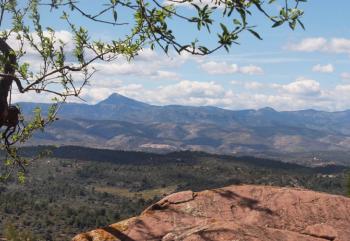
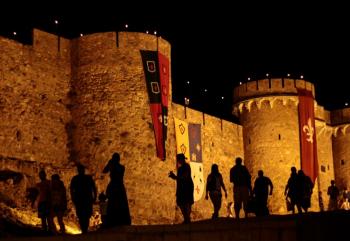
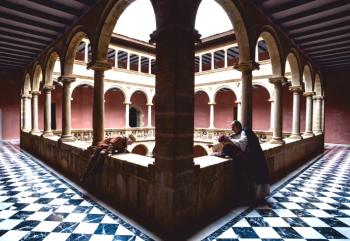

Prepara tu visita a Peñiscola y ven a vivir una experiencia de cine única. Peñíscola, con un patrimonio natural y arquitectónico singular, es una ciudad de excepción para todo tipo de acciones audiovisuales. Su ubicación estratégica, la ha convertido en escenario privilegiado para producciones tanto televisivas como cinematográficas. Desde principios del siglo XX, en 1913, con el rodaje de Ana Cadova, comienza la conexión entre el séptimo arte y nuestra ciudad. Peñíscola de Cine, aúna los enclaves más representativos de la ciudad plató.