
The Badum tower


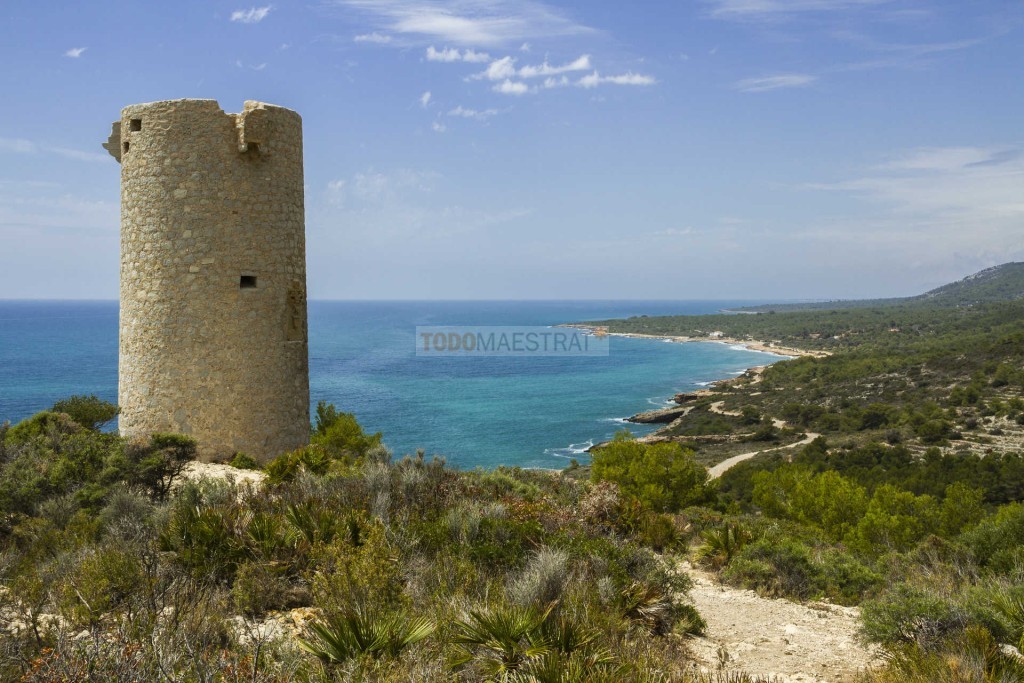
The Badum Tower is one of the most iconic and photographed monuments on the coast of Castellón. Located in the heart of the Sierra de Irta Natural Park, atop an impressive cliff nearly one hundred meters above the Mediterranean Sea, this ancient watchtower stands as one of the great historical and scenic symbols of Peñíscola. Its silhouette, isolated between rock, sea, and Mediterranean vegetation, recalls a time when the Valencian coastline lived under the constant threat of pirate attacks.
The tower was part of an extensive defensive network of coastal watchtowers that stretched along the Spanish Mediterranean during the 16th and 17th centuries. These constructions maintained visual contact with one another and were designed to quickly warn nearby populations whenever enemy ships appeared. The Badum Tower had direct visual communication with the Castle of Peñíscola and other coastal towers, creating an effective defensive warning system.
Its main purpose was to detect the presence of Barbary pirates who sailed across the Mediterranean attacking Levantine coasts. These corsairs from North Africa frequently raided coastal villages, stealing goods and capturing people who were later sold as slaves. During that period, feared names such as Dragut or the legendary Barbarossa spread terror across many coastal towns. The coast of Castellón was no exception, which is why strategic fortifications such as the Badum Tower became essential for protecting the territory.
The current structure officially dates back to 1554, although some historians believe that an earlier Muslim construction may have existed on the same site before the final tower was built or restored. On its façade, visitors can still observe the coat of arms of the Kingdom of Valencia alongside the double-headed eagle of the Habsburg dynasty and references to Don Bernardino de Cárdenas, Duke of Maqueda and Viceroy of Valencia, who promoted much of the fortification of the Valencian coastline during the reigns of Charles I and Philip II.
One of the most remarkable aspects of the Badum Tower is its unique defensive architecture. Unlike many square towers common at the time, this tower has a circular floor plan and a slightly truncated cone shape that provides exceptional strength. It stands approximately eleven meters tall and was built using stone masonry. However, its most striking feature is the total absence of a door at ground level. The original entrance was located about six meters above the ground and could only be reached by rope or wooden ladders, which were later removed to prevent enemy access. In this way, the guards could easily protect themselves from possible attacks.
From the top of the tower, sentinels constantly watched the sea horizon. Whenever suspicious ships were detected, a visual communication system was activated using smoke signals during the day and bonfires at night. Thanks to this method, warnings could quickly travel from tower to tower and reach nearby fortresses, allowing coastal populations to prepare their defenses. Within minutes, the alert could reach Peñíscola and other strategic points along the Valencian coast.
The tower’s location was carefully chosen. It stands on one of the most spectacular cliffs in the Sierra de Irta, offering breathtaking panoramic views over the Mediterranean Sea. The surrounding natural environment is one of the wildest and best-preserved areas of the Valencian Community. The Sierra de Irta remains one of the few stretches of Mediterranean coastline that has preserved its almost untouched character, with hidden coves, rugged cliffs, and remarkable ecological richness.
Today, the Badum Tower is officially protected as a cultural heritage monument and has become one of the area’s main historical and tourist attractions. Beyond its enormous architectural and historical value, it represents a powerful symbol of the Mediterranean’s defensive past. Every year, thousands of visitors come to admire the tower and enjoy the spectacular views of the sea and the coastline of Peñíscola.
Visiting the Badum Tower is not only an opportunity to discover an ancient military construction; it is also a journey back to a time of corsairs, vigilance, and survival. Its stones still preserve the memory of centuries of history and remind visitors of the crucial role it played in defending coastal communities against the constant dangers arriving from the sea. Between the silence of the landscape and the sound of waves crashing against the cliffs, the tower continues to watch over the Mediterranean just as it did nearly five centuries ago.


Las murallas
Igual de soberbias son las murallas que mandó construir Felipe II al importante arquitecto de la época Juan Bautista Antonelli entre 1576 y 1578. El Portal Fosc, o Portal de Felipe II, es una de las tres entradas al casco antiguo. Grandioso es el...
Iglesia de Santa María de Peñíscola
En medio del casco antiguo está el templo Parroquial de la Virgen de Santa María, con tracería gótica del siglo XV en parte de ella y elementos arquitectónicos y puerta de tradición románica; conserva un valioso tesoro de extraordinario...
El Ermitorio de la Mare de Déu d’Ermitana,
El Ermitorio de la Mare de Déu d’Ermitana, junto al castillo, en la que se alberga la imagen de la patrona de la ciudad. Fue edificado por el gobernador Don Sancho de Echevarría entre 1.708 y 1.714.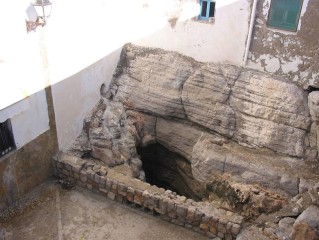
El Bufador
El Bufador, es una curiosidad geológica que consiste en un túnel natural excavado en la roca donde se asienta la ciudad, y por el que las aguas del Mediterráneo entran y salen continuamente, provocando estruendosos bufidos y elevaciones violentas...
El museo del mar
El Museo del Mar emplazado sobre el Baluarte del Príncipe, rinde homenaje a la tradición marinera de las gentes de Peñíscola. Se estructura temáticamente en tres áreas: Historia, Pesca y Fauna marina. En el podrán encontrar maquetas de...
La Sierra de Irta
La Sierra de Irta: protegida recientemente mediante la figura de Paraje Natural, es una alineación montañosa con 573 m. de altura máxima y 15 km. de fachada litoral. Existe la posibilidad de realizar recorridos a caballo, mountain-bike, quad o a...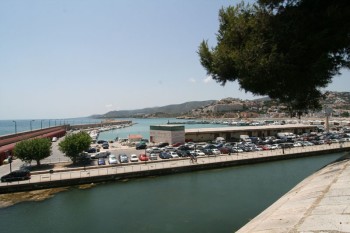
El puerto pesquero
Peñíscola es un pueblo de tradición agrícola y marinera. La industria pesquera sigue siendo un motor importante de la ciudad, y ello se evidencia en el número de embarcaciones que hoy en día todavía están en activo, siendo uno de los puertos...